About gridsgear
A small studio, listening to the body.
Origin
gridsgear began with a question we couldn't shake: the body has been whispering all along — why is no one quiet enough to listen?
The wrist is loud. The phone is louder. Both shout for your attention while the things that actually matter — heart-rate variability at 3 a.m., a 0.2 °C rise that signals a fever the next morning, a recovery score that explains a bad mood — pass by unread.
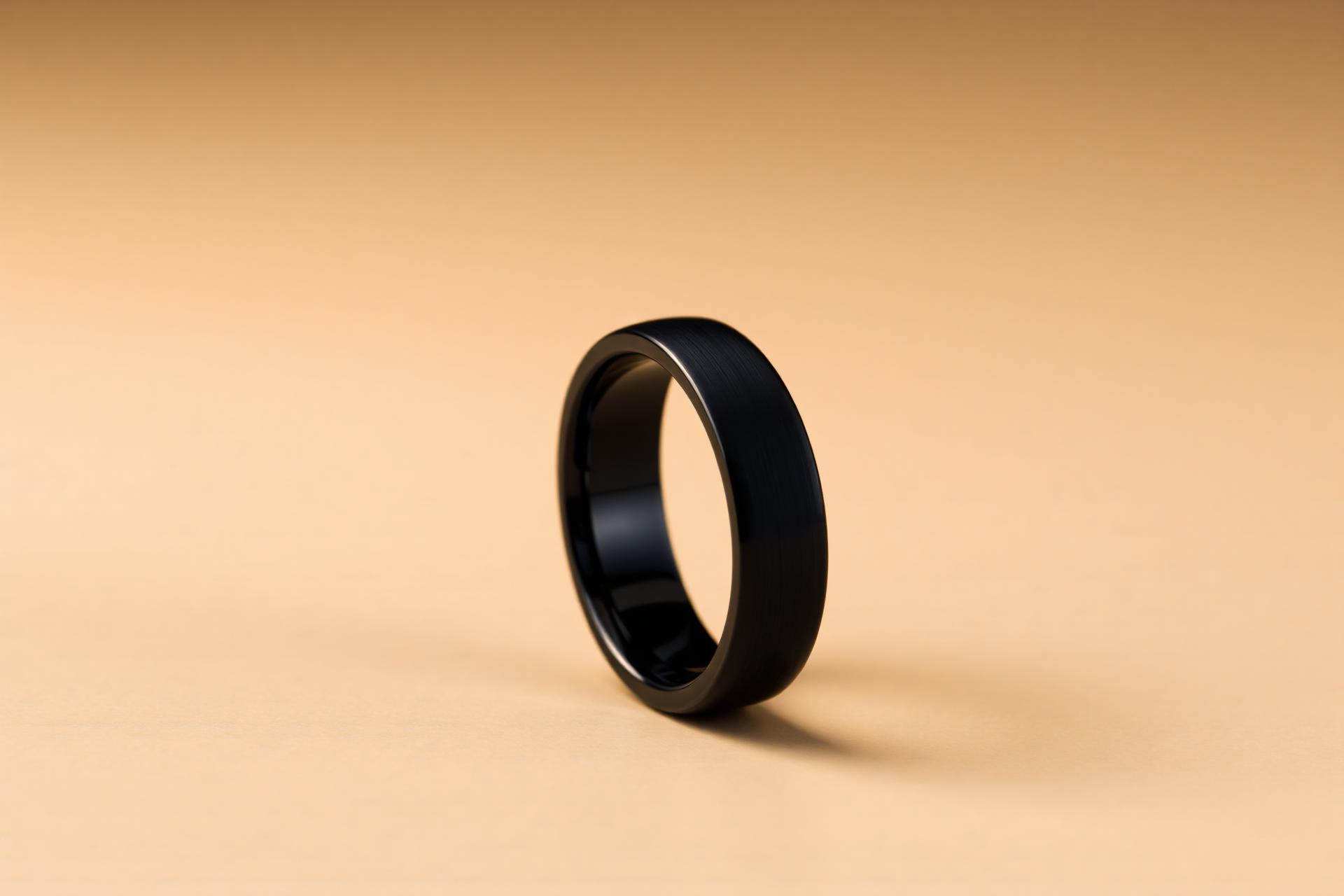
So we built a ring. Forty thousand cubic millimetres of aerospace titanium with seven medical-grade sensors inside. No screen. No notifications. Worn weightlessly, charged weekly. It reads you for a year and then quietly tells you what it learned.
Today gridsgear is still small on purpose. We answer our own emails. We know the people who calibrate the PPG arrays. Every Ring R1 ships with a serial, a signed insert, and a real number for the engineer who tested it.
Principles
Four rules the ring is built on.
Clinical, not cosmetic
Sensors are medical-grade or they don't ship. Every metric on your wrist has been validated against lab equipment.
Disappear on the finger
3.6 grams of aerospace titanium. Seven-day battery. The ring should be the quietest thing you wear.
Signal over noise
Forty-two biometric streams, distilled into six numbers that actually change how you live tomorrow.
Your body, your data
Readings stay on-device by default. Sync is opt-in, encrypted, and exportable. We never sell what we measure.
A short history.
2019
Two engineers — one from medical wearables, one from materials science — meet in Porto over a question: why is the wrist so loud?
2021
First prototype: a CNC'd titanium band with three sensors. Worn for 400 nights of self-experiment.
2023
Generation 02 ships to 800 founding members. Studio moves to the old textile mill on Rua das Flores.
2025
Generation 04 — seven sensors, 250 Hz sampling, ±0.05 °C thermal accuracy. The ring as instrument.